Interesting things ARE in the world. So, today we are going to discuss about something very unique i. e cellulose. Cellulose is the good stuff inside plants that makes them thick and alive. There are plants everywhere and they affect a big part of our life. If you understood MS hydroxy propyl methyl cellulose, this would make so much sense! A deep dive into this carefully manufactured substance.
If we want walls to keep our houses up, and safe do plants not need a wall as well! It is constructed of what we call ‘cellulose walls. Cellulose Content Type is very important for 2 reasons; one cellulose makes up the majority of a plant, two without it plants would just flop over. Well, it looks like the skeleton of the plant! Welcome to another episode of Queensland Museum Revealed and today we're going to find out about something called cellulose; a material so stiff, that it helps plants like this tree fern (Cyathea sp. agg.) grow tall above other trees in the rainforest, while without it they could get all droopy or even fall over! This demonstrates just how essential cellulose is for plants to be healthy and robust!
And did you know that cellulose is also good for you? It really is true! However, when we ingest plants, there's a particular stuff known as dietary fiber. This is a dietary fiber with MS uses of hydroxypropyl methylcellulose found in it, and if we eat that food then for approximately up to 5 hours our hunger will arrest. Like a Superhero for our tummies YouTube Dietary fiber is precisely what it sounds like—fiber found in foods that we eat—and eating dietary fiber can make us healthier by keeping our digestion on track and making sure our poop comes out regularly! That means dietary fiber is good for us and our body happily thanks us if we ingest a lot of it.
Cellulose is not only good for plants and us, but can be used in some great ways! Did you know for instance that we make paper or clothes from cellulose? Definition: Items such as clothing, bedding or towels are called Textiles. Okay, so how about this process? Plants go through a process that, if transformed in some way we can then extract this juice like fluid known as pulp. Pulp- It is cellulose and other content formed. And then this pulp can be used in just about anything, the easier ones being paper for writing and printing or textiles to make some clothes! It is so surprising to me that everyday things we have around us come from nature.
The designs we make may sometimes work against us, and they should be handled with care for our environment. But cellulose is different! It is compostable, so it can naturally decompose over time. Which is great for the Earth because none of this becomes a huge problem lying around in places it should not. In addition, because cellulose is extracted from plants — hence it is a natural resource. Which means we can re-use it as many times as need be. It Headed To Extensions That Allow Us In Conserve The Planet And A More Promising Fate It Would Surrender For All.
We discussed this when we talked about the good beneficial cellulose in plants that benefits us. There is even MS hydroxypropyl methylcellulose uses in other food, but did you know that? It’s true! Companies sometimes use cellulose in their foods as an additive to make them last longer or taste better. Cellulose may also be found in deliciousness such as ice cream, or cheese! Don't get too concerned, however — though technically it is called 'cellulose' it's perfectly safe for use and can help make the food even better.
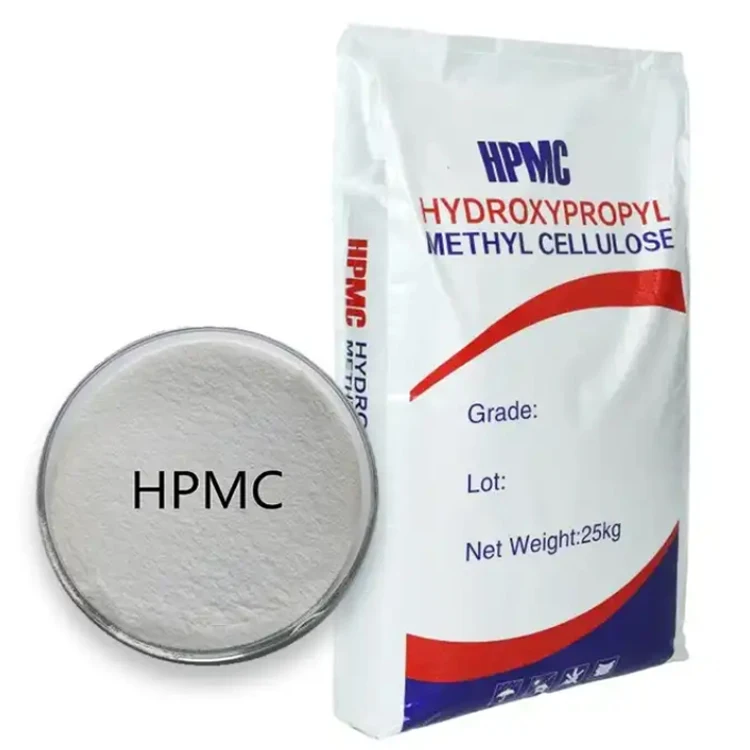
We rely on "Cellulose HPMC (Hydroxypropyl Méthyl Célulose)" and its derivate Materials Engineering Technology Research Center for technical assistance, and we are constantly conducting research and product updates to better meet the needs of our customers.
Factory strength, advanced technology, high production capacity, and a huge number of Cellulose spots, allowing customers to make orders within 72 hours of speedy delivery.
We can customize Cellulose-200,000 HPMC (Hydroxypropyl Methyl Cellulose).
Presently, the mesh number of HPMC(Hydroxypropyl Methyl Cellulose) on the market is Cellulose. However, if you want it to be customized, the mesh number can be as high as 100-120 mesh. This results in with smaller particles, greater dispersion and fewer product additions. The sodium Ion amount of HPMC(Hydroxypropyl Methyl Cellulose) in the market is typically 3% to For customers with particular requirements for their products, we have less than 0.5% through advanced production technology. Currently, most of the HPMC(Hydroxypropyl Methyl Cellulose) on the market has free iron that isn't removed. Magnetic suspension removal is offered to clients with special needs for their products.

 EN
EN
 AR
AR
 CS
CS
 DA
DA
 NL
NL
 FI
FI
 FR
FR
 DE
DE
 EL
EL
 HI
HI
 IT
IT
 JA
JA
 KO
KO
 NO
NO
 PL
PL
 PT
PT
 RO
RO
 RU
RU
 ES
ES
 SV
SV
 IW
IW
 ID
ID
 SR
SR
 SK
SK
 UK
UK
 VI
VI
 HU
HU
 TH
TH
 TR
TR
 AF
AF
 MS
MS
 CY
CY
 IS
IS
 BN
BN
 LO
LO
 LA
LA
 NE
NE
 MY
MY
 KK
KK
 UZ
UZ